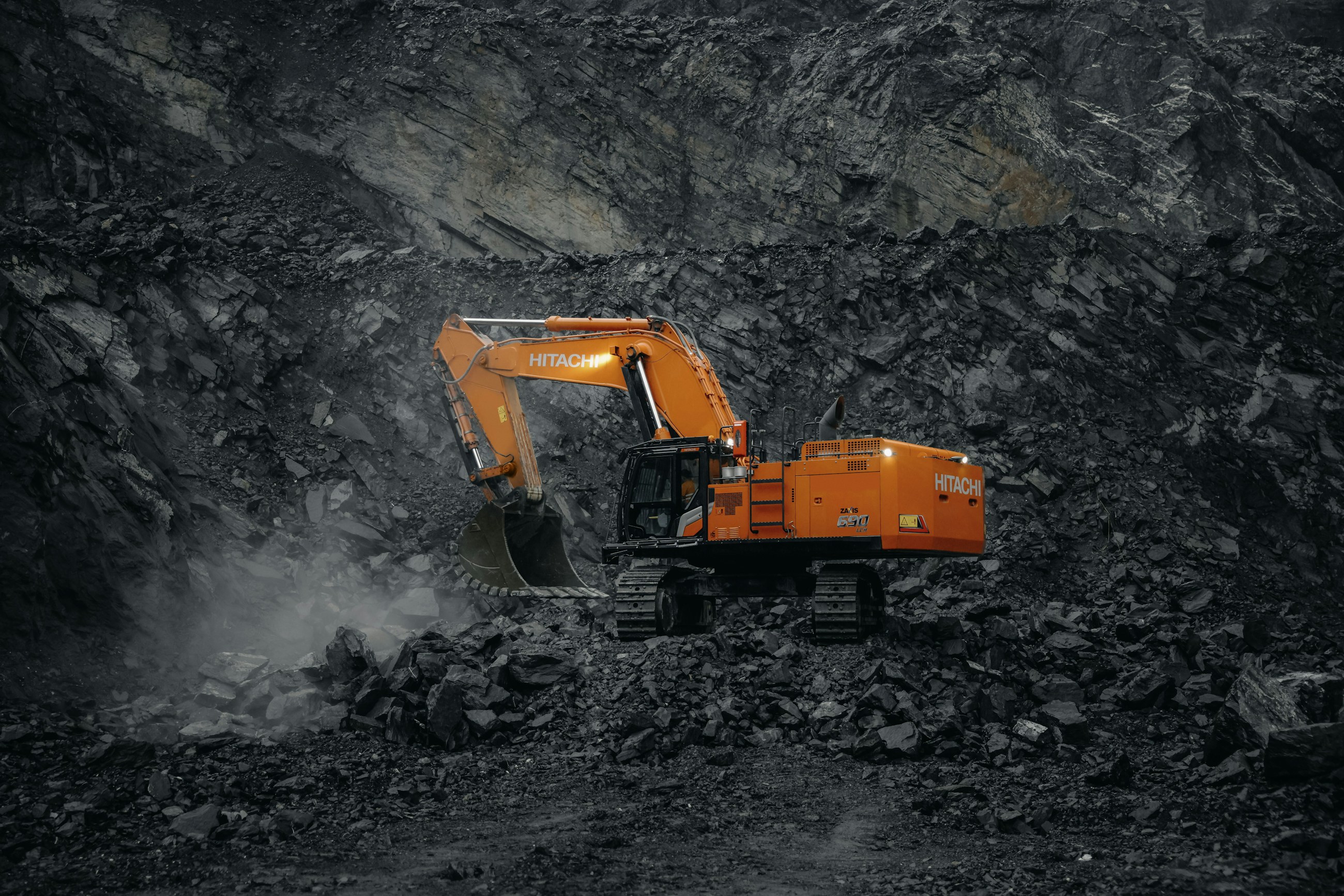
Know the rock before you move it
Basalt Industries develops hard-rock aggregate resources in the interior Pacific Northwest. We are in exploration and development.
Plates 01–12 Reference photography
Overview
The company exists to find and prove basalt worth quarrying. That work is geological before it is industrial — locating sound rock, mapping how far it runs, and establishing what it is fit for, which is what decides whether a deposit is worth opening at all. Basalt Industries is in exploration and development: no material is offered for sale, and specific holdings are not published here — the normal posture at this stage.
Method
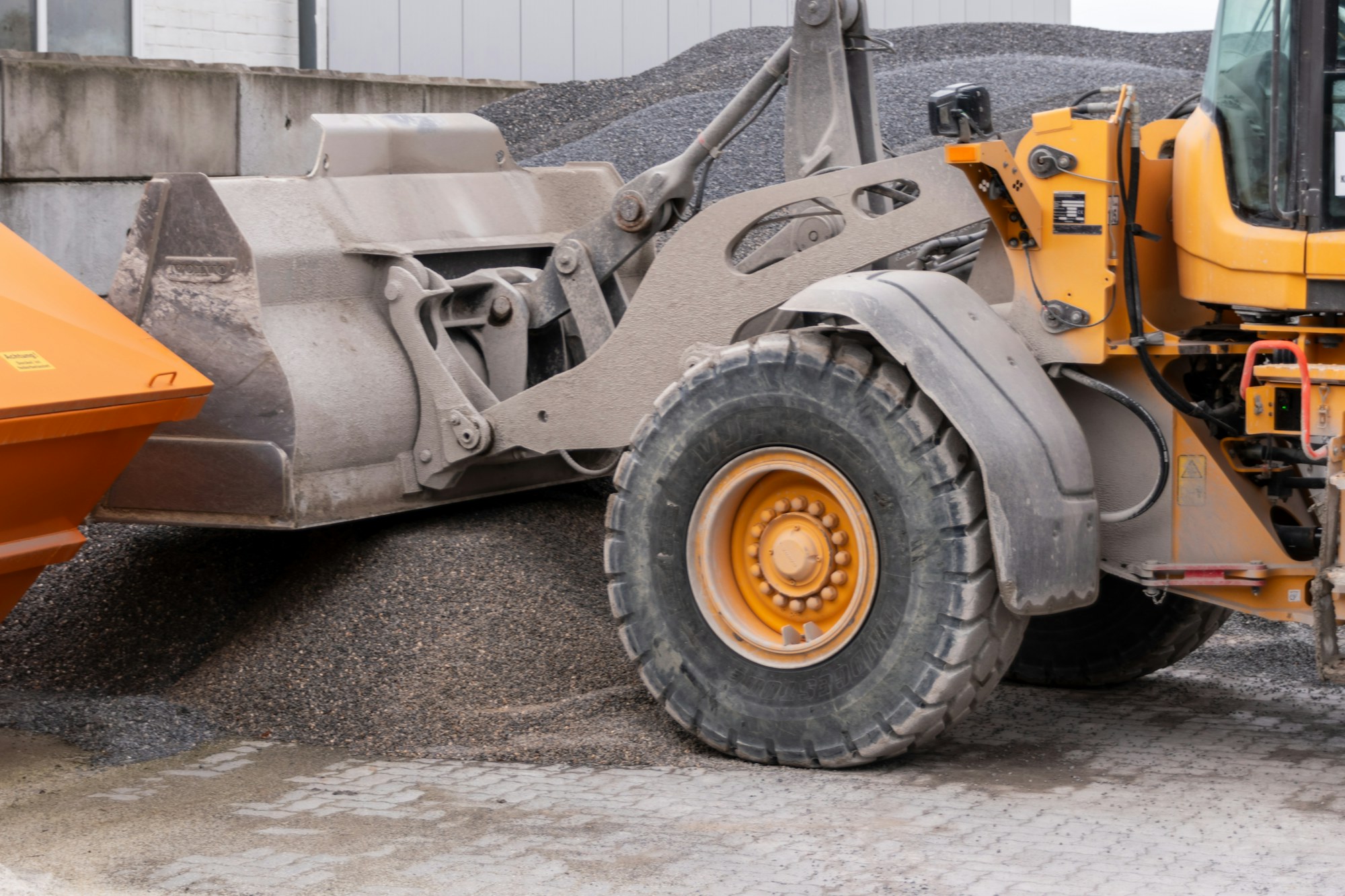
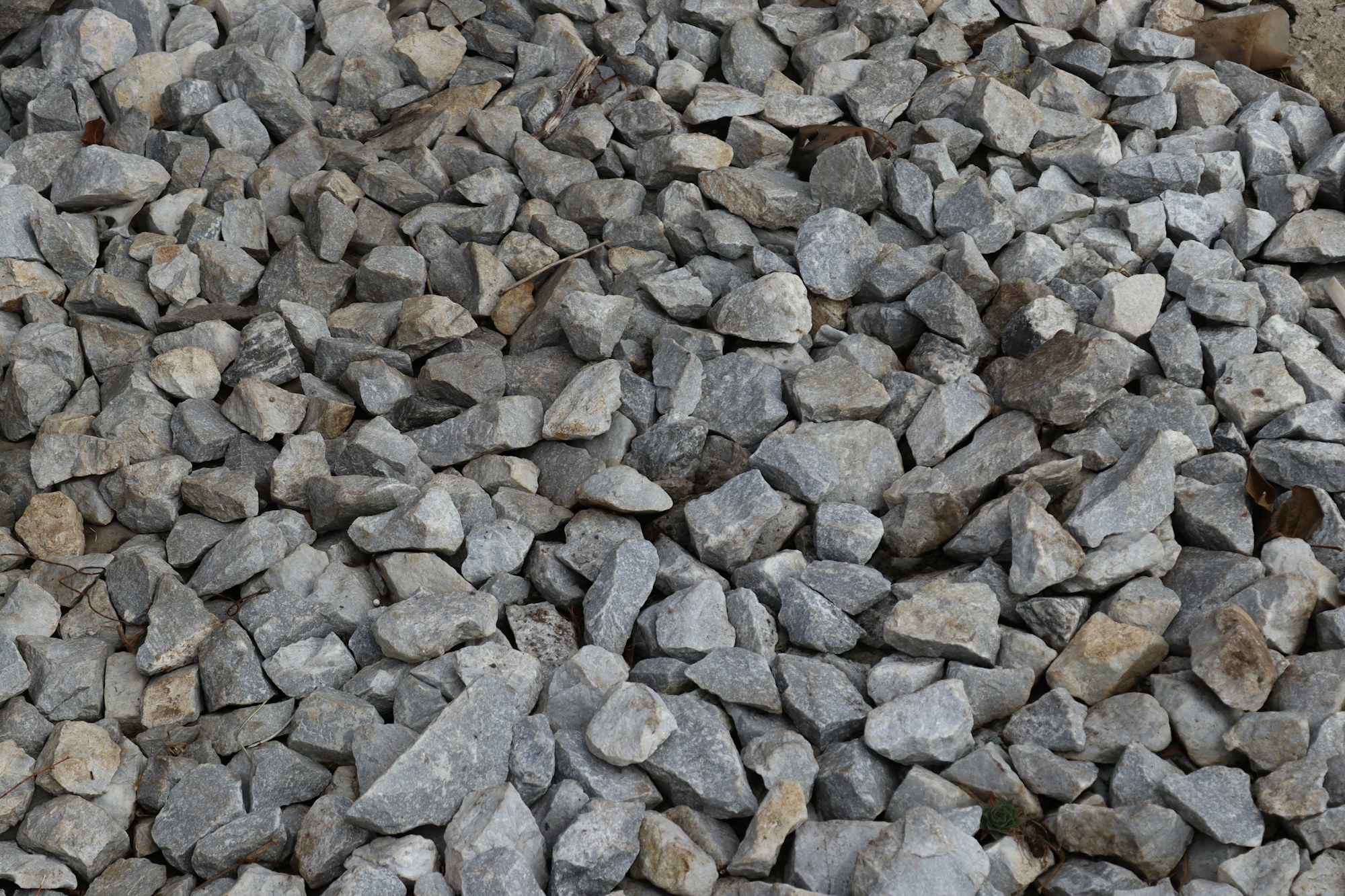
How basalt becomes aggregate
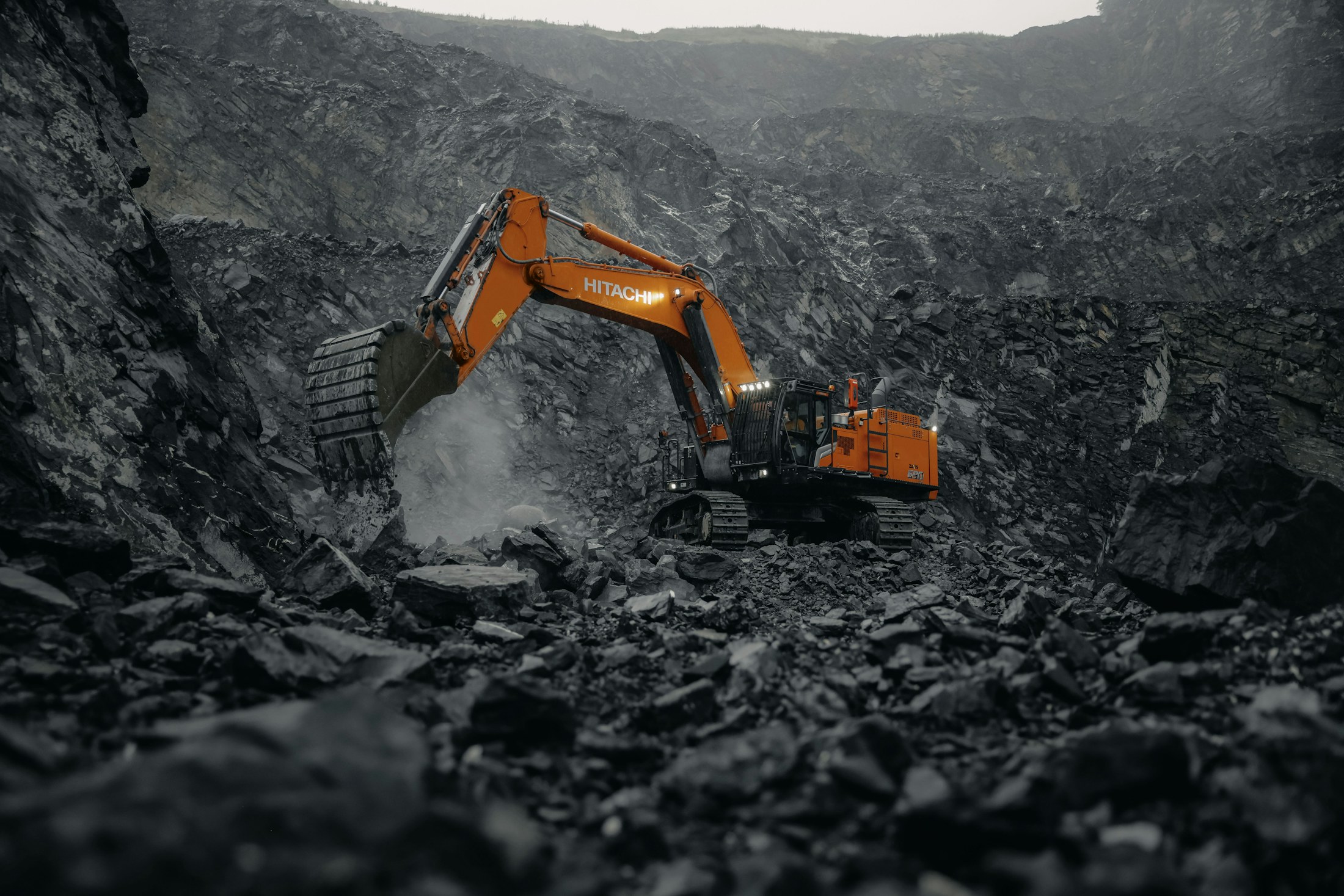
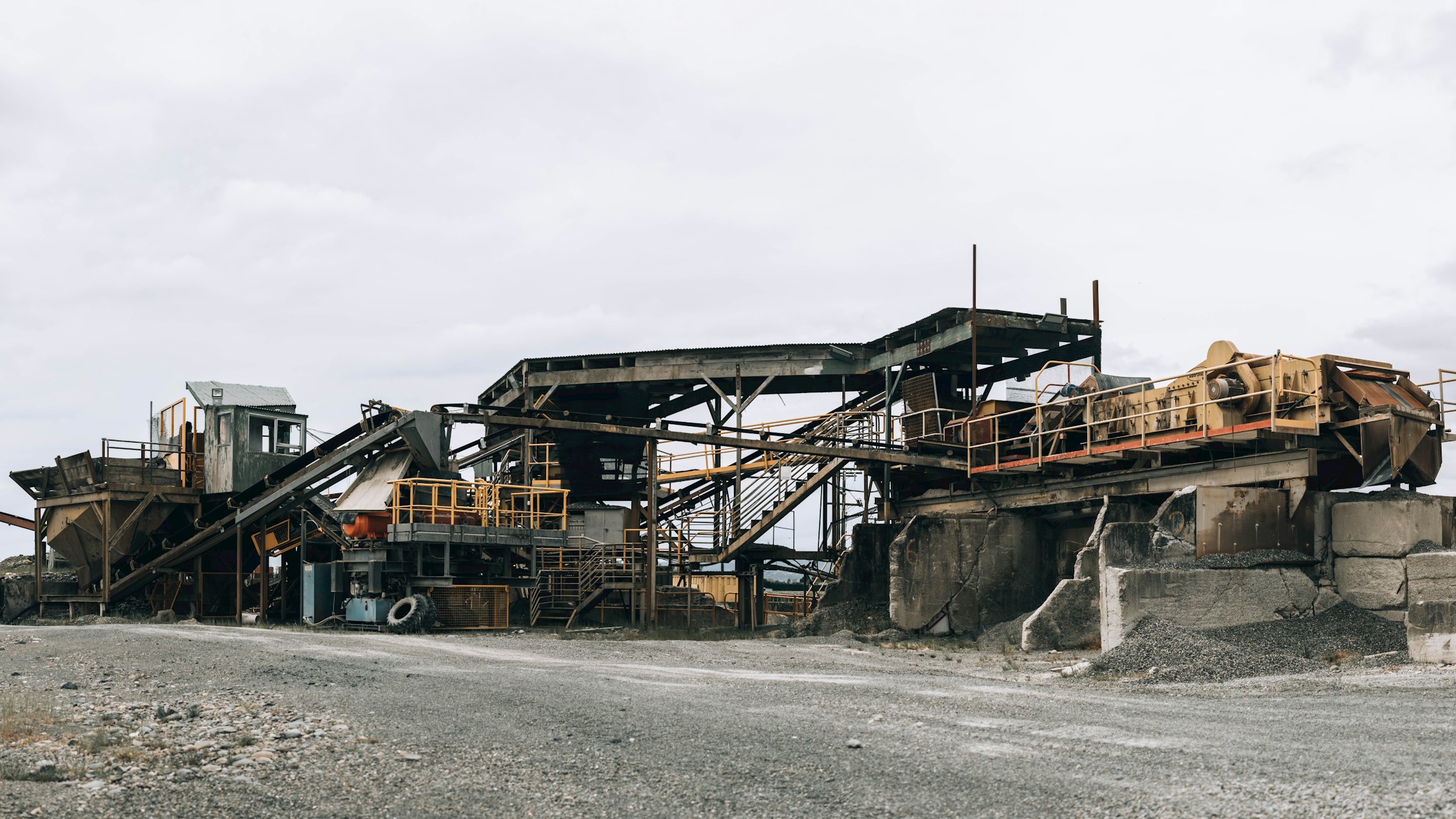
The sequence a deposit passes through between the highwall and a specified product. The plates below run in that order. They are reference photographs of standard practice in the industry, not images of a Basalt Industries site.
Material
Why basalt
What the rock type brings to a specification. These are general properties of basalt as a class, not test results from any particular deposit.
| Property | Bearing on use as aggregate |
|---|---|
| Fine-grained texture | Breaks to angular, cubical particles that interlock rather than roll. |
| High density | Mass where mass is the point — ballast, riprap, erosion protection. |
| Low absorption | Little water taken into the particle, which is what carries a rock through freeze and thaw. |
| Hard, tough matrix | Resists abrasion under traffic and under repeated handling. |
| Rough fracture faces | Bonds readily with cement paste and with bitumen binder. |
Any deposit is proved by its own sampling and testing. Basalt Industries does not publish deposit-level results.
Geology
Where the rock comes from
Basalt in this region occurs as stacked flood-basalt flows, with younger flows and vent complexes above them. The map below is illustrative: it shows how units of this kind sit in relation to one another, and depicts no actual holding.
Explanation
- Qal Alluvium — unconsolidated channel and floodplain deposits. Quaternary.
- Qb Basalt flows — olivine basalt, thin pahoehoe lobes and vent complexes. Quaternary.
- Ts Sedimentary rocks — tuffaceous siltstone and sandstone. Pliocene to Miocene.
- Tcr Flood basalt — stacked tholeiitic flows with columnar jointing. Miocene.
- Ti Intrusive rocks — dikes, sills, and plugs cutting older units. Miocene.
Map is illustrative. It depicts no actual holding, claim, or survey.
Plates 07–12
The rock itself
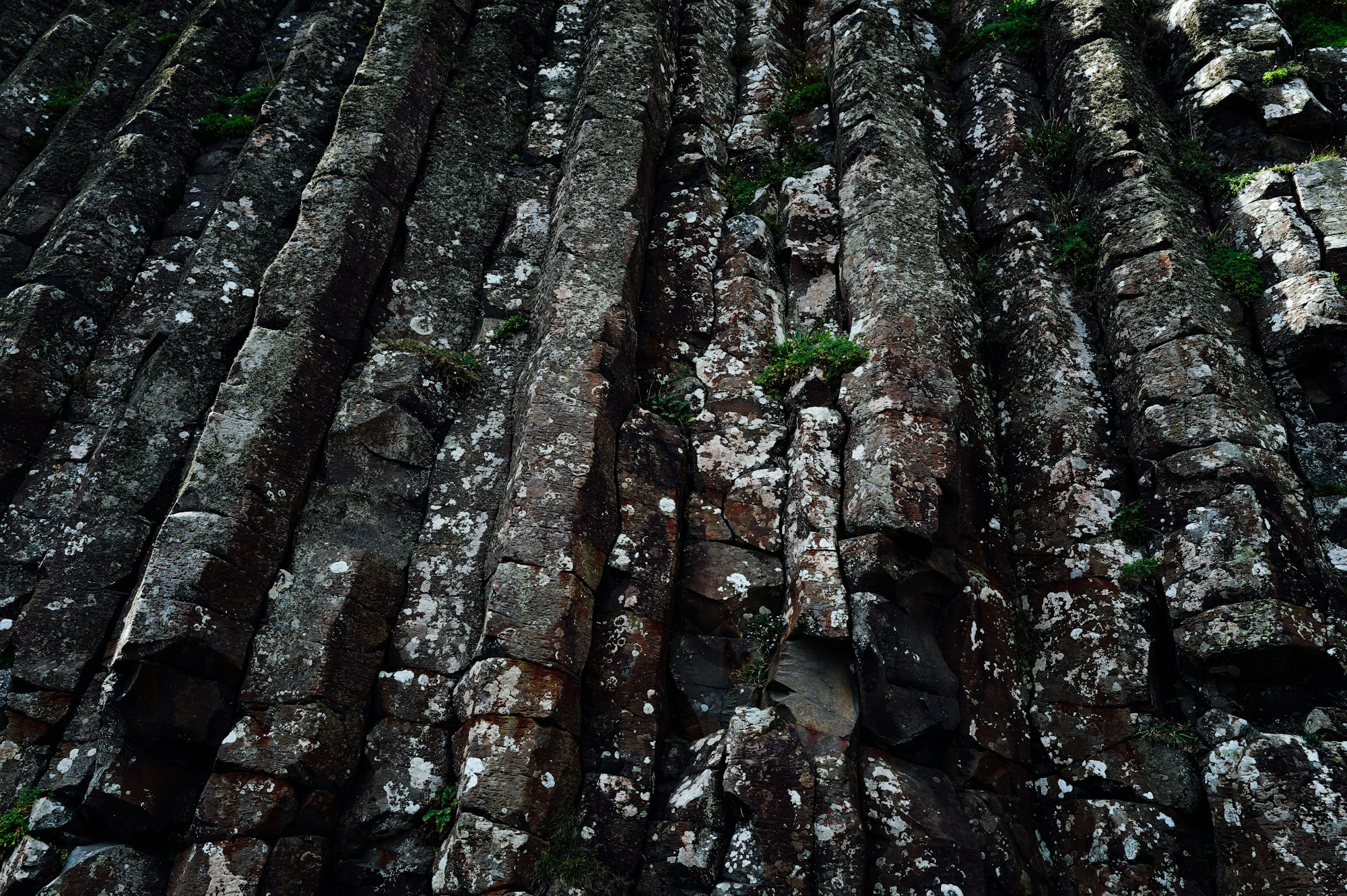
Basalt as it occurs in the ground: columns formed where a thick lava cooled and contracted. These are reference photographs of basalt formations, not of Basalt Industries ground.
-
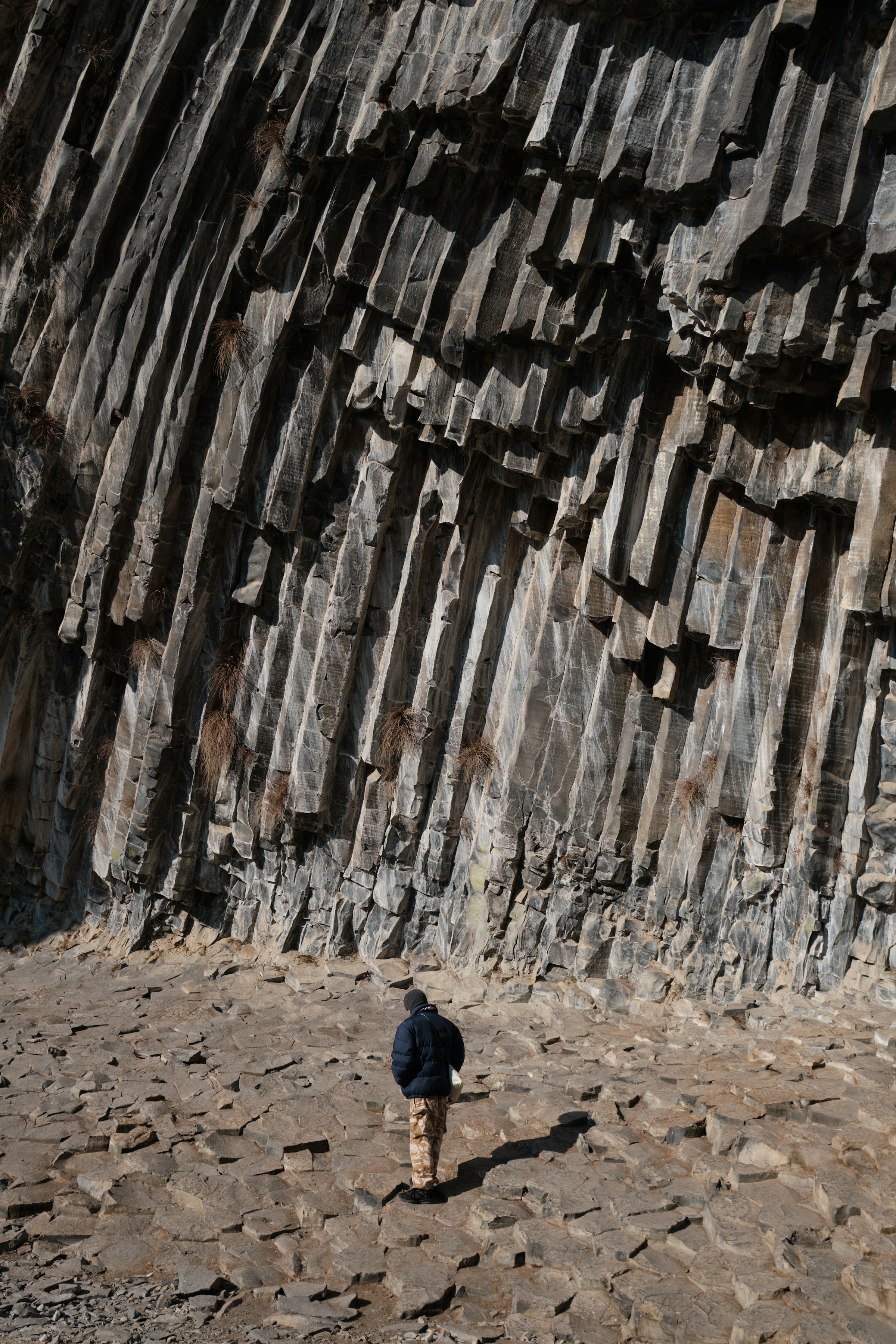
07 Colonnade Columns at full flow height; the figure gives scale -
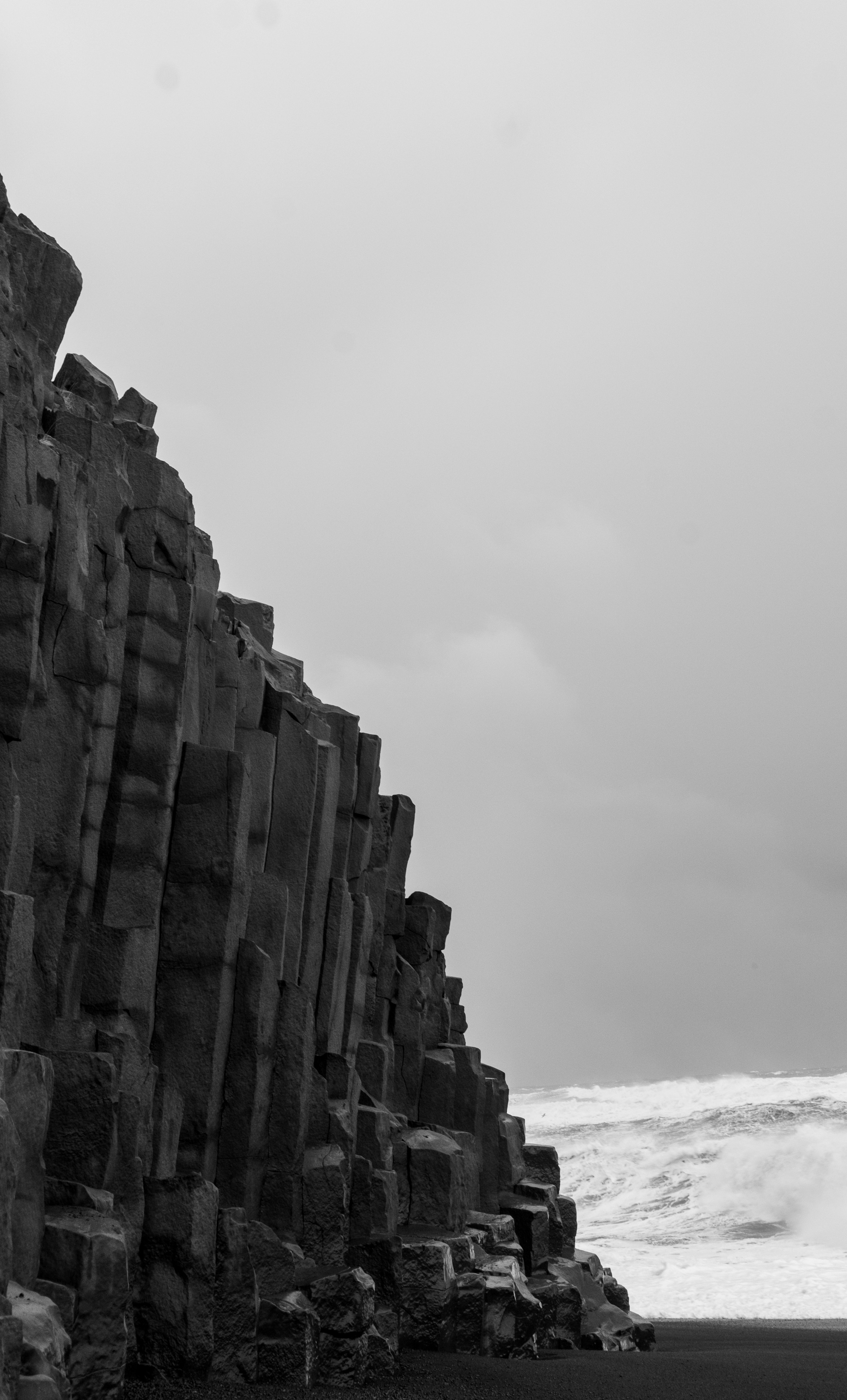
08 Jointing Joints grow inward from the cooling surface -
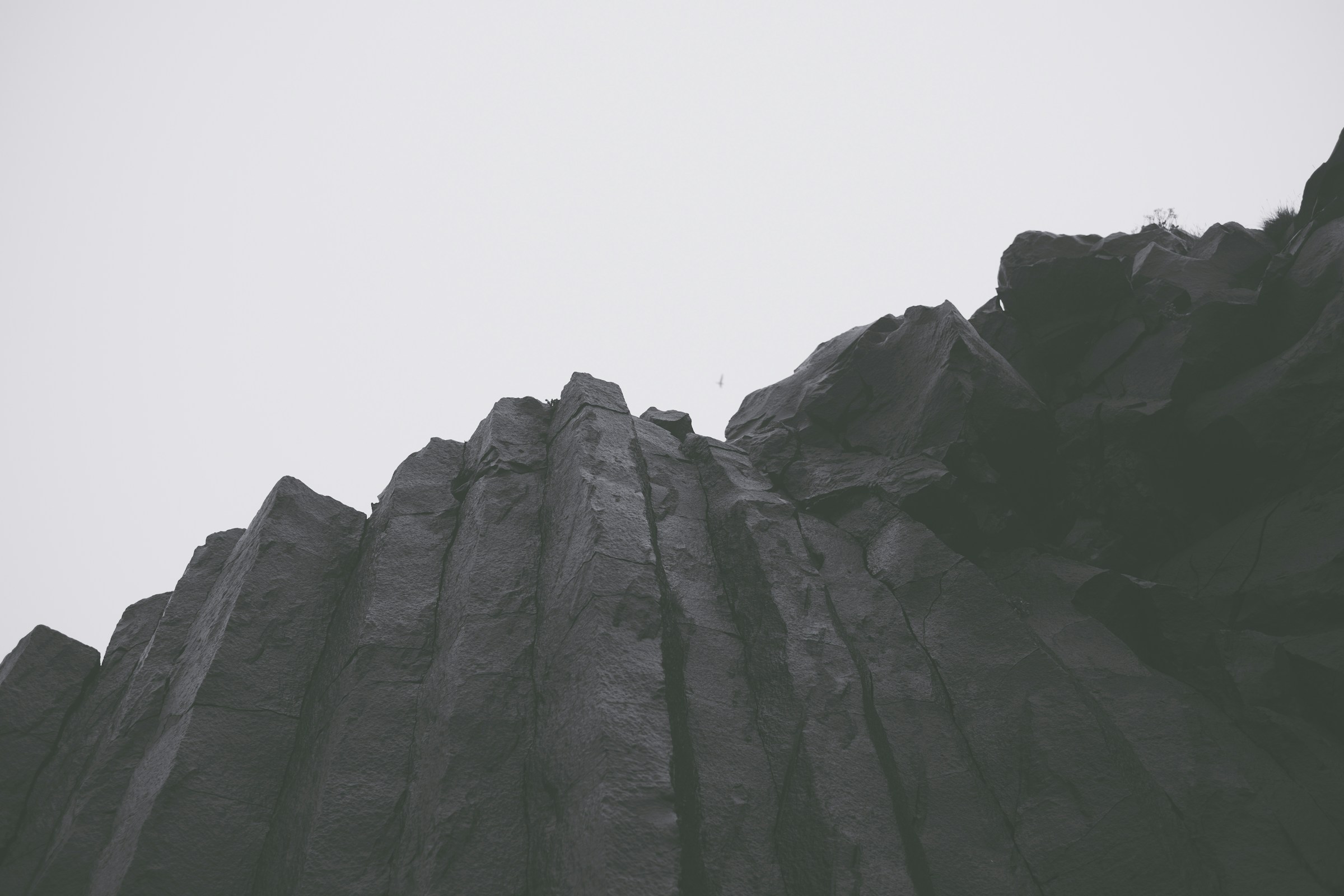
09 Massif Dense and fine-grained — the rock aggregate wants -
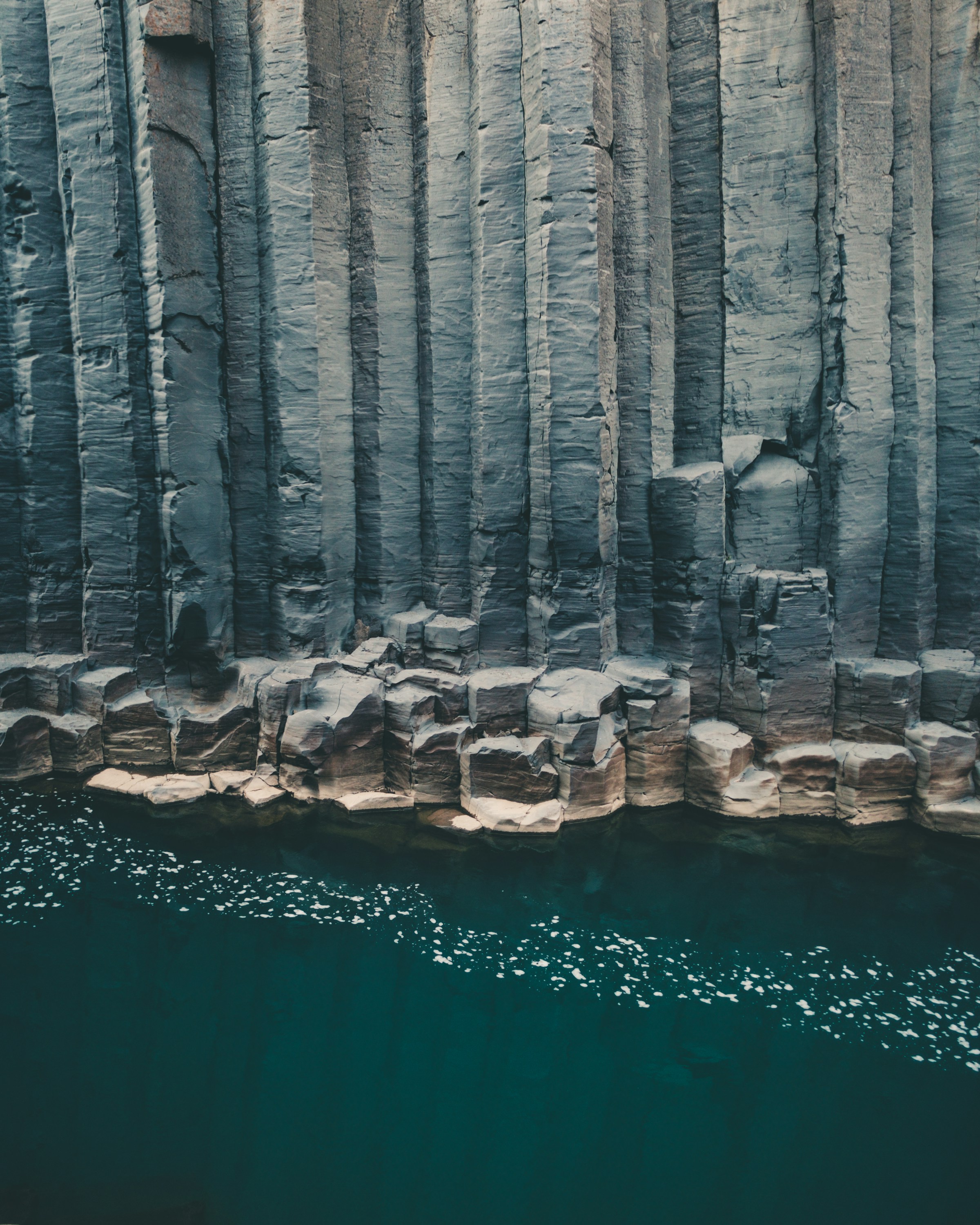
10 In plan Column tops meet in polygons, most often six-sided -
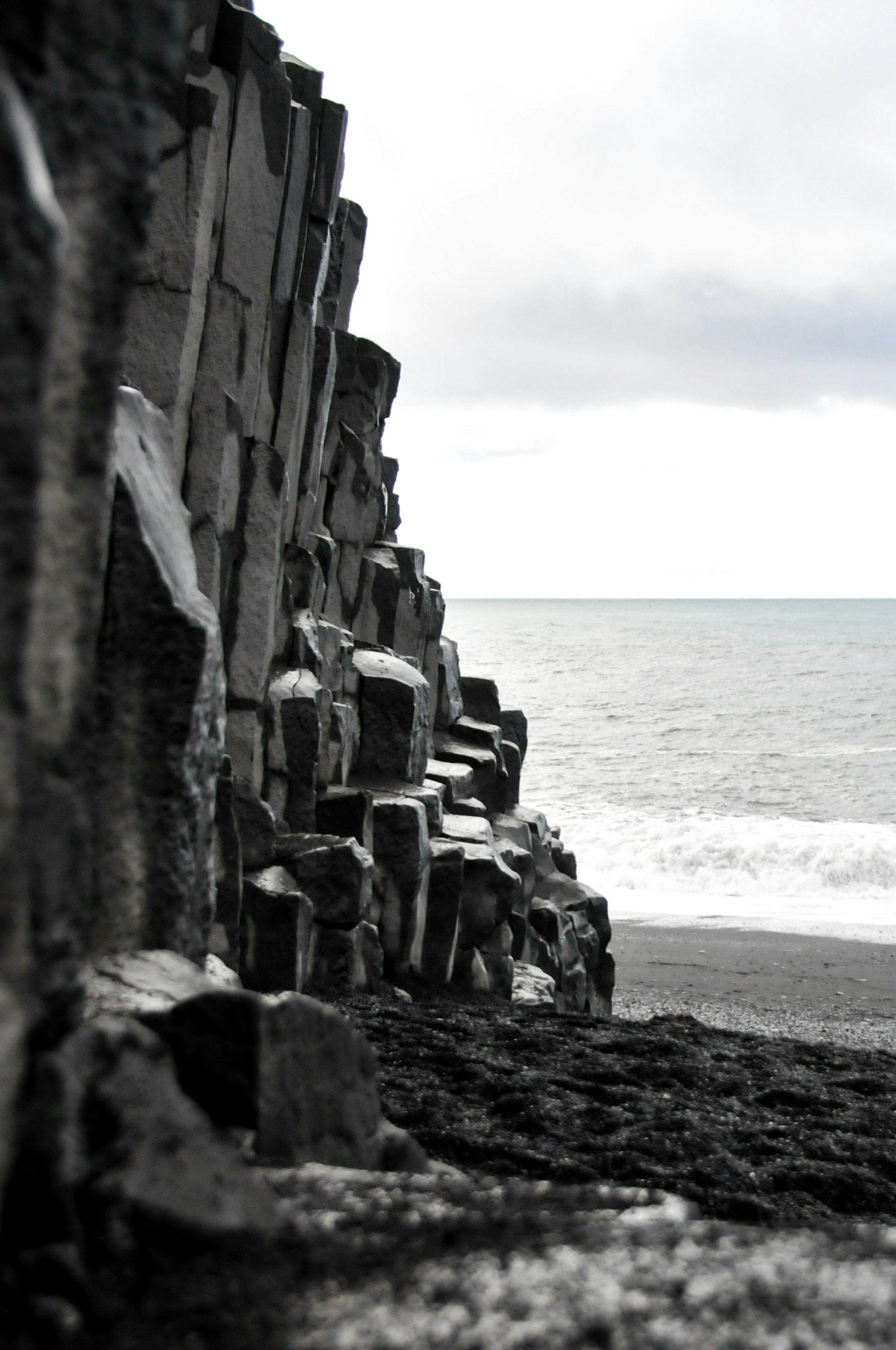
11 Full section A single flow exposed base to top -
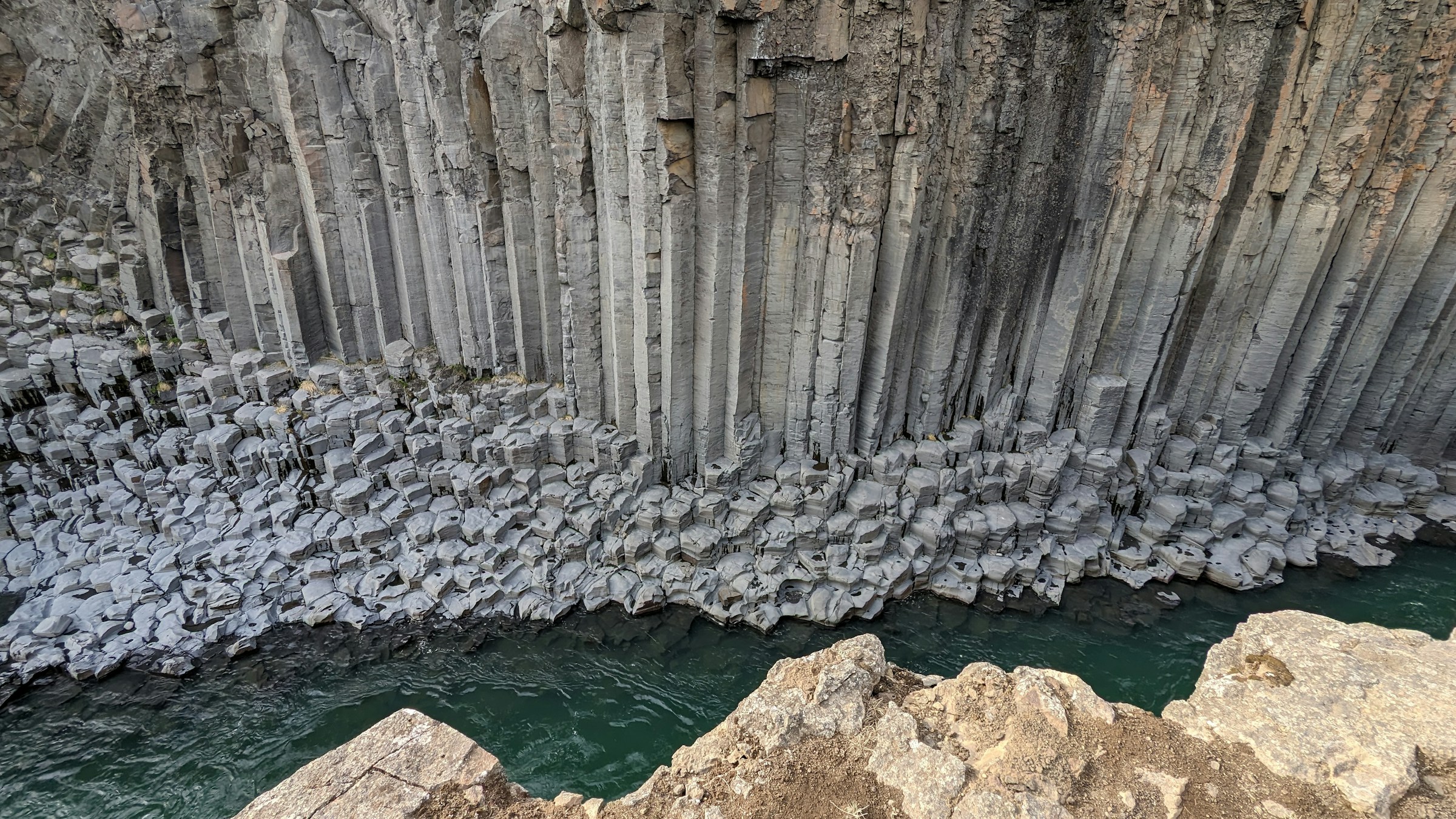
12 The base Column feet where the flow met older ground
Contact
Write to us
Public agencies, landowners and prospective partners are welcome to get in touch. A specific question gets a fuller answer than a public page can give.